
 See Our Latest Article on HelloNation
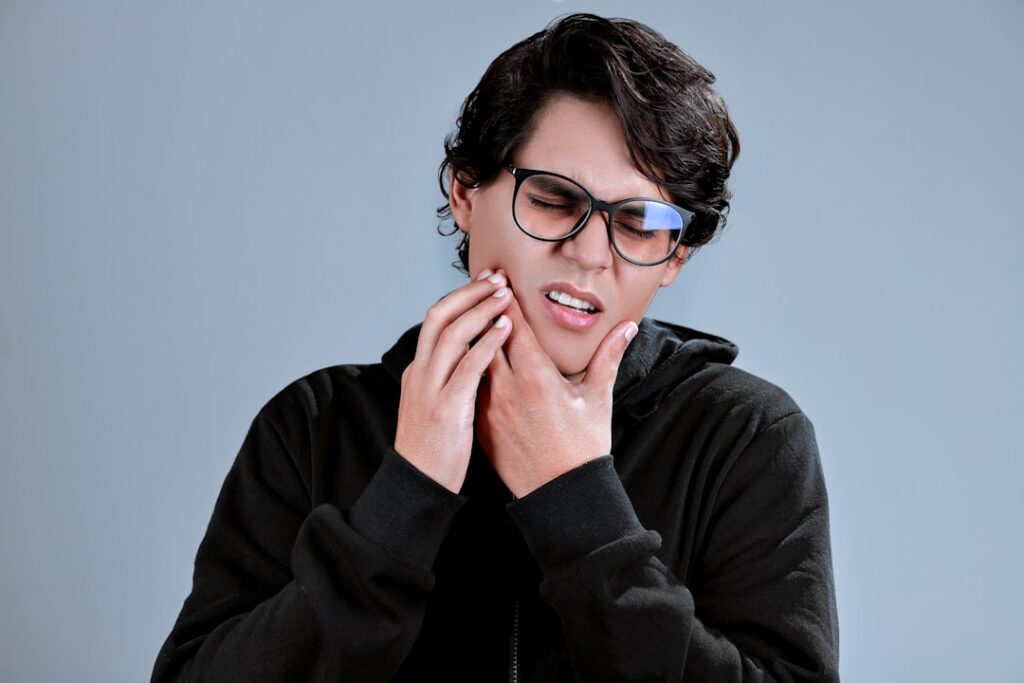
Living in Van Buren, NY, offers a wholesome blend of outdoor activity and small-town community. Residents enjoy fishing trips at Onondaga Lake, scenic walks around the Foxfire area, and busy days filled with family and work commitments. Amidst all this activity, it’s easy to ignore aches and pains—especially when they seem unconnected. One growing concern among locals is jaw pain, or temporomandibular joint (TMJ) discomfort. Surprisingly, spinal health and posture can play a significant role in oral and jaw pain. Let’s explore why the spine and jaw are connected, how Van Buren individuals may be at risk, and what steps locals can take to achieve relief.
Understanding Jaw Pain and TMJ Dysfunction
Jaw pain frequently stems from TMJ dysfunction—a disorder affecting the joint connecting your jawbone to your skull. Symptoms may include:
- Clicking or popping noises when opening or closing your mouth
- Headaches, facial pain, and earaches
- Difficulty chewing or discomfort when talking
In Van Buren, those long commutes to Syracuse, daily screen time, and the importance of oral health in community life mean TMJ issues can disrupt both work productivity and quality of life.
How the Spine Influences Jaw Function
Many Van Buren residents may not realize that the spine—specifically the upper cervical (neck) region—has a profound impact on the jaw. Here’s how:
- Nerve Pathways: The nerves that control jaw movement and facial sensation originate in the upper spinal cord. Misalignments, tension, or subluxations in the neck can irritate these nerves, sending mixed messages to the jaw muscles and joints.
- Posture Chain Reaction: Poor posture, often from desk work, phone use, or even long fishing outings without proper ergonomics, can lead to a “forward head posture.” This posture strains both the neck and the jaw, increasing stress on the TMJ.
- Muscle Compensation: When spinal muscles are stressed or imbalanced, they pull on surrounding muscles—including those associated with jaw movement. Over time, this can contribute to TMJ dysfunction and chronic pain.
Why Van Buren Lifestyle Can Contribute to Jaw Pain
The lifestyle in Van Buren is balanced but can put strain on posture and spinal health. Consider these local factors:
- Extended Screen Time: With remote work opportunities growing in the region, hours at the computer can create forward head posture and neck tension.
- Active Community Activities: From Little League coaching to gardening, repetitive actions can create subtle spinal misalignments, contributing to jaw discomfort.
- Seasonal Shifts: Cold winters can cause muscle tension and the tendency to hunch shoulders and tuck chins, further aggravating spinal alignment and jaw function.
Signs Your Jaw Pain May Be Related to Your Spine
Van Buren residents often ask, “Is my jaw pain really connected to my neck or spine?” Here are clues that they may be linked:
- You notice jaw discomfort on days your neck is sore.
- Headaches and jaw pain occur together, especially after poor sleep posture.
- Pain worsens after long periods in one position (e.g., fishing, working at a desk).
- Stretching your neck or adjusting posture relieves some jaw discomfort.
If you experience any combination of these symptoms, your spinal health may be impacting your jaw function.
The Role of Chiropractic Care for Jaw and Spinal Health

Chiropractic care is uniquely equipped to address both jaw and spinal concerns without drugs or surgery. Here’s how a chiropractor in Van Buren can help:
- Spinal Adjustments: Gentle techniques restore proper alignment in the neck and upper back, alleviating pressure on the nerves connected to the jaw.
- TMJ-Specific Techniques: Adjustments to the jaw joint itself, coupled with soft tissue work, can relieve tension and improve mobility.
- Postural Assessment and Correction: Guidance on posture—both at home and work—addresses the root causes of forward head posture and associated jaw pain.
- Customized Exercise Plans: Strengthening and stretching exercises promote lasting spinal and jaw health, preventing future flare-ups.
At-Home Strategies to Reduce Jaw Pain
Van Buren locals often prefer natural, at-home remedies before seeking professional care. Consider these steps:
- Maintain Good Posture: Use supportive chairs, keep screens at eye level, and take posture breaks throughout the day.
- Warm Compresses: Applying a warm compress to the jaw and upper neck eases muscle tension and promotes blood flow.
- Conscious Jaw Relaxation: Practice gently keeping lips together and teeth slightly apart. Avoid clenching during stressful moments.
- Neck and Shoulder Stretches: Simple stretches reduce tension in spinal muscles and indirectly support jaw relaxation.
When to Seek Professional Help
If jaw pain persists beyond a few days, disrupts daily life, or is accompanied by neck stiffness, it’s wise to consult a chiropractor or another spinal health expert. A thorough exam can identify underlying spinal issues contributing to TMJ dysfunction, ensuring you address both symptoms and root causes.
Final Thoughts for Van Buren Families
The unique blend of active outdoor living and engaged community life in Van Buren, NY, offers so many joys—but it also poses posture and spinal challenges that can impact jaw health. Understanding the connection between your spine and jaw empowers you to take action, whether that’s improving your posture at the office, stretching after a day at the lake, or consulting local spinal health professionals.
Take proactive steps today to protect both your spine and your jaw—because a healthy foundation supports all your Van Buren adventures, conversations, and smiles.
