
 See Our Latest Article on HelloNation
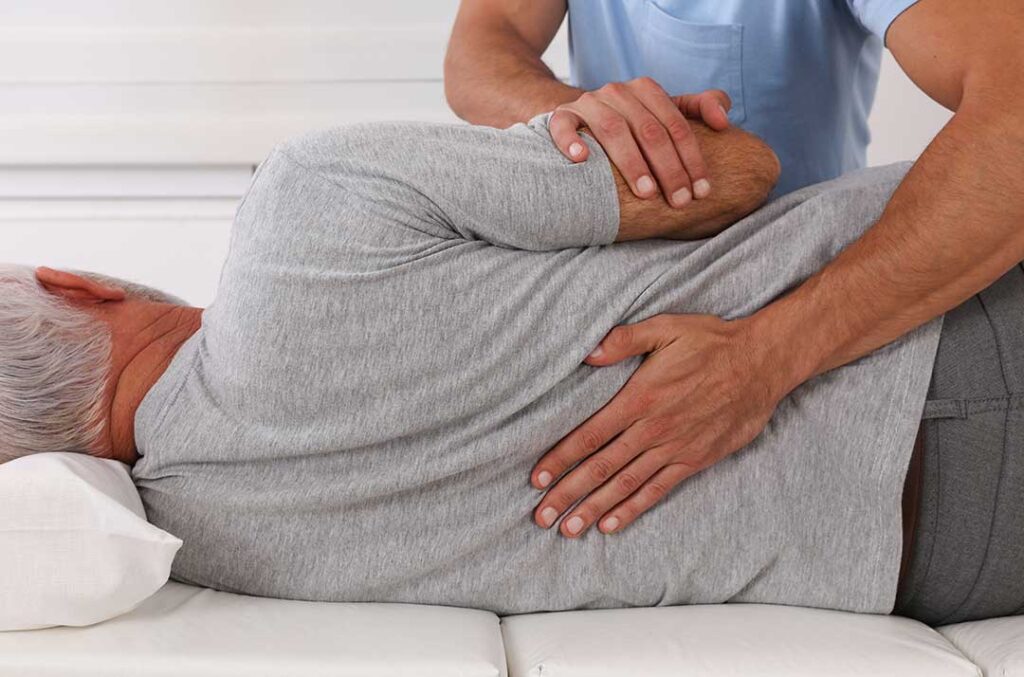
Pregnancy can change posture, balance, joint stability, and the way muscles support the spine. For residents of Van Buren, NY, everyday activities such as walking on icy sidewalks, carrying groceries, climbing stairs, or standing for long periods can make soreness more noticeable. Most pregnancy-related back pain can be managed with gentle movement, positioning changes, and guidance from the prenatal care team.
Why does pregnancy cause back pain?
Pregnancy-related back pain often develops because the body’s center of gravity shifts forward as the abdomen grows. The abdominal muscles also stretch, while pregnancy hormones loosen ligaments around the pelvis. These changes can place extra strain on the lower back, hips, and pelvic joints.
Pain may feel like a dull ache, stiffness, pressure, or soreness after standing or walking. Some people notice discomfort when turning in bed, getting out of a car, climbing stairs, or moving from sitting to standing.
Back pain is common, but severe, sudden, or unusual pain should not automatically be assumed to be a normal pregnancy symptom.
What can help relieve back pain safely?
The safest approach is usually to combine several small adjustments rather than relying on one treatment.
Improve standing and sitting posture
Avoid leaning backward to compensate for the weight of the abdomen. Instead:
- Keep the chest comfortably lifted.
- Let the shoulders relax rather than pulling them rigidly backward.
- Keep the knees slightly bent.
- Stand with the feet about hip-width apart.
- Use a chair with good lower-back support.
- Place a small cushion behind the lower back when needed.
If standing for a long time, place one foot on a low step or sturdy object and switch sides periodically. This can reduce strain on the lower back. During household tasks, take brief sitting or walking breaks instead of staying in one position for too long.
Is walking or exercise safe during pregnancy?
For many uncomplicated pregnancies, gentle activity such as walking, prenatal stretching, or water exercise can help maintain strength and reduce stiffness. Walking may be especially practical in the community when conditions are dry and stable, but winter ice, snow, and uneven surfaces increase fall risk.
Choose supportive shoes with good traction. Reduce the pace or stop if pain increases, balance feels uncertain, or unusual symptoms develop. Anyone with pregnancy complications, activity restrictions, bleeding, or significant pain should ask the obstetric care team before beginning or changing an exercise routine.
A gentle hands-and-knees movement may help some people:
1. Begin with the hands under the shoulders and knees under the hips.
2. Keep the neck relaxed and the spine in a comfortable neutral position.
3. Gently draw in the abdominal muscles.
4. Round the back slightly without forcing the movement.
5. Return slowly to a neutral position.
The movement should be comfortable and controlled. It should not cause sharp pain, dizziness, abdominal discomfort, or increased pelvic pressure.
How should someone sleep with pregnancy back pain?
Side sleeping is often more comfortable as pregnancy progresses. A pillow between the knees can help keep the hips aligned, while another pillow under the abdomen may reduce pulling across the lower back. A pillow behind the back can make it easier to remain on the side.
Getting out of bed may also be easier by rolling onto the side first, keeping the knees together, and using the arms to push up. This can place less stress on the abdominal and pelvic muscles than sitting straight up.
Mattress firmness is a personal matter, but excessive sinking can make turning and getting up more difficult. Support should come from the whole sleep surface rather than from a sharply folded pillow under the lower back.
Can heat, cold, massage, or chiropractic care help?
A warm—not hot—compress may relax sore muscles. Use the lowest comfortable heat setting, place a cloth between the heat source and skin, and use it for short periods. Avoid overheating the abdomen or using hot tubs and very hot baths.
A cold pack wrapped in a towel may help after activity or when the area feels irritated. Do not apply heat or cold directly to the skin, and stop if the skin becomes numb or unusually red.
Gentle massage may reduce muscle tension for some people. Deep pressure over the abdomen, painful pelvic joints, or areas that feel unstable should be avoided.
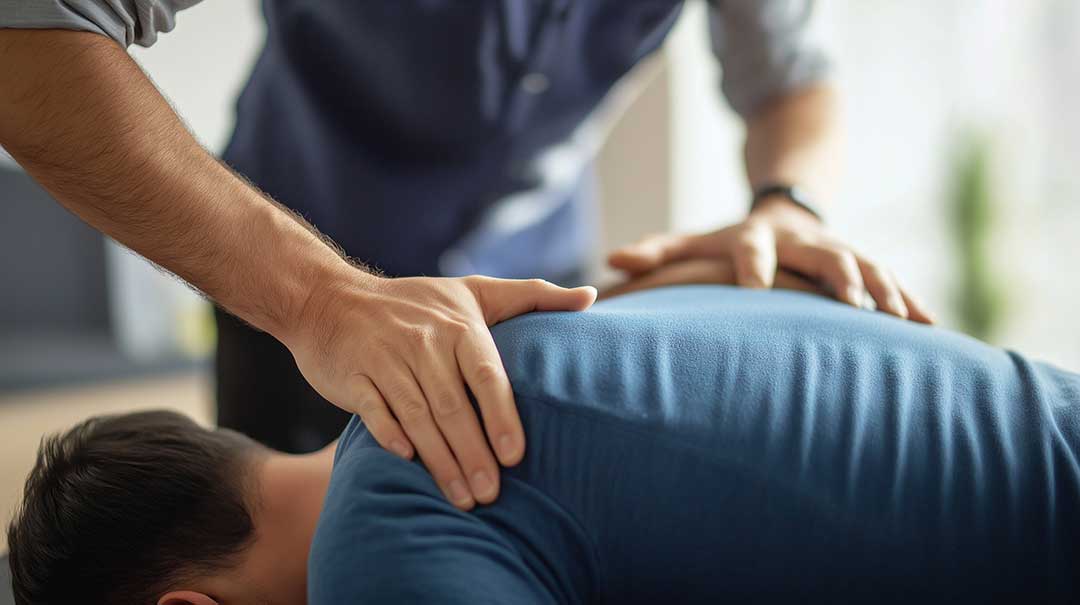
Chiropractic care may be considered during pregnancy, but it should be coordinated with the obstetric care team. A licensed chiropractor should know how far along the pregnancy is, whether there are complications, and whether symptoms suggest pelvic girdle pain, nerve involvement, or another condition requiring medical evaluation. Forceful techniques, aggressive twisting, or treatment that increases pain are not appropriate.
What should be avoided?
Pregnancy back pain is not a reason to stop all movement, but certain habits can increase symptoms:
- Lifting heavy objects from the floor
- Bending at the waist while twisting
- Carrying weight on only one side
- Standing or sitting without breaks
- Wearing high heels or unstable footwear
- Stretching into pain
- Starting strenuous exercise without prenatal guidance
- Taking medication or herbal products without checking their pregnancy safety
When lifting is necessary, bend the knees, keep the object close to the body, and rise with the legs. Turn by moving the feet rather than twisting through the spine.
Over-the-counter pain medicine should be discussed with an obstetric clinician, pharmacist, or other qualified healthcare professional. Medication safety can change depending on the trimester, medical history, and other medicines being used.
When is pregnancy back pain an urgent concern?
Prompt medical guidance is needed for severe pain, pain that lasts more than two weeks, or pain that progressively worsens. Back pain should be reported promptly when it occurs with:
- Vaginal bleeding
- Fever or chills
- Burning or pain with urination
- Pain under the ribs or in the side
- Regular cramping or contractions
- Fluid leakage
- New weakness, numbness, or loss of feeling in the legs, buttocks, or genital area
- Pain after a fall or other injury
These symptoms can indicate infection, nerve involvement, injury, or a pregnancy complication rather than ordinary muscle strain. A prenatal clinician can determine whether home care is reasonable or whether physical therapy, medical testing, or another type of evaluation is needed.
How can daily routines be adjusted?
Small changes often reduce repeated strain. Keep frequently used items between waist and shoulder height, divide groceries into lighter bags, sit down to get dressed, and avoid carrying a child on one hip for long periods. In colder months, use handrails and allow extra time on steps and outdoor walkways.
Pregnancy back pain should be managed with comfort, safety, and flexibility. The goal is not to force the body into a perfect posture, but to reduce strain while maintaining gentle movement and responding early when symptoms do not behave like ordinary soreness.
