
 See Our Latest Article on HelloNation

Why Does Sleeping Position Matter for Spine Health?
Sleeping position directly impacts the alignment and wellbeing of the spine. During sleep, muscles and ligaments relax, which means that awkward or unsupported positions can lead to strain, stiffness, or even aggravate back issues. Many local residents report increased neck or back discomfort after restless nights, especially during the colder months when bedding tends to get bulkier.
Spine-friendly sleep postures help distribute body weight evenly and reduce pressure points, contributing to healthier mornings and lower risk of ongoing soreness.
What Are the Best Positions for Maintaining Spinal Alignment?
Neutral spinal alignment means your ears, shoulders, and hips line up, even while lying down. The most widely recommended positions for this are on your back or side. Here’s how these work:
- Back sleeping: Lying on your back with a well-sized pillow under the head and another under the knees can create a gentle curve in the lower back, relieving lumbar pressure.
- Side sleeping: Many in area households prefer side sleeping, especially during the chillier seasons. Keeping the legs slightly bent and placing a pillow between the knees can help keep the hips, pelvis, and spine in balance.
Stomach sleeping tends to strain the neck and lower back. If this is the only comfortable option, use a flat pillow or none under the head and a thin pillow under the lower stomach to reduce excessive arching.
How Can Mattresses and Pillows Affect Spinal Health?
Mattresses and pillows play supporting roles in keeping the spine neutral. In homes across the region, mattress choices vary greatly—some households have firmer beds, while others gravitate toward softer options. The best mattress keeps the spine aligned with the rest of the body and feels comfortable throughout the night. A mattress that is too soft allows the body to sink, while one that is too firm can create pressure points.
Pillow height should correspond to your sleeping position:
- Back sleepers benefit from a medium-thick pillow that keeps the neck aligned.
- Side sleepers generally need a thicker, firmer pillow to fill the gap between shoulder and head.
- Stomach sleepers usually need the thinnest pillow or may be most comfortable without one.
Regularly adjusting bedding as seasons change—such as switching to less bulky quilts in summer—prevents overnight overheating and unwanted spinal twisting.
Are There Practical Ways to Improve Sleep Posture in Local Homes?
Residents of Van Buren experience seasonal shifts that can influence sleep setup. Practical steps to improve spinal health overnight include:
- Rotating or flipping the mattress every several months to avoid sagging
- Ensuring bedding does not bunch up and push the body out of position
- Checking bed height; lower beds are easier on the back for most adults climbing in and out
- Keeping pathways clear around the bed during darker winter months to reduce falls and abrupt strain
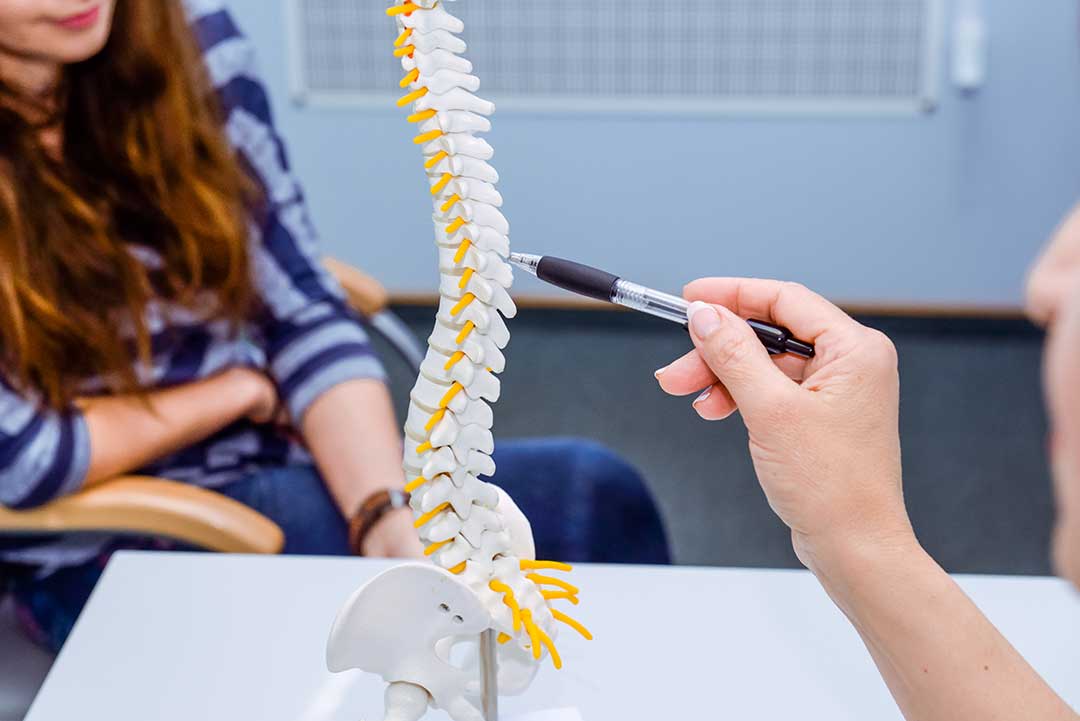
For side or back sleepers, focusing on symmetrical sleeping habits (not always curling up on the same side) helps reduce asymmetrical strain over time, which can be common in households with consistent sleeping routines.
What Mistakes Do People Commonly Make With Sleeping Position?
A frequent misconception is that comfort always equates with healthy posture. Short-term comfort from a particular position may mask problematic alignment, especially with pillowy or overstuffed beds. Some residents inadvertently tuck their chin or hunch shoulders forward, especially when reading or watching devices in bed, increasing neck and shoulder stress.
Another overlooked issue is ignoring pain or stiffness in the morning as just part of aging, rather than assessing whether bedding, pillow, or posture could be improved.
Can Sleep Position Help With Specific Back or Neck Issues?
For those experiencing lower back pain, supporting the natural curve of the lumbar spine is crucial. Placing a pillow under the knees (for back sleepers) or between the knees (for side sleepers) is often effective. People with upper back or neck tension benefit from keeping the head in a neutral position, not turned or flexed sharply to one side.
Those living in multistory homes should avoid jumping directly out of bed upon waking—allow a gradual transition from lying to sitting, then standing, to minimize sudden strain on the lower back.
How Does Age or Health Condition Influence the Best Sleeping Position?
Children and adolescents in Van Buren often shift position frequently during sleep, which is normal and rarely causes problems. For older adults, bone density and flexibility can decrease, making supportive bedding and gentle posture changes overnight more important. Expectant mothers usually sleep best on their left side, with a pillow between the legs and another supporting the abdomen if needed.
People with specific spinal conditions should adjust bedding and position based on comfort and alignment during consultations with a medical provider, as individual needs may differ from general recommendations.
