
 See Our Latest Article on HelloNation
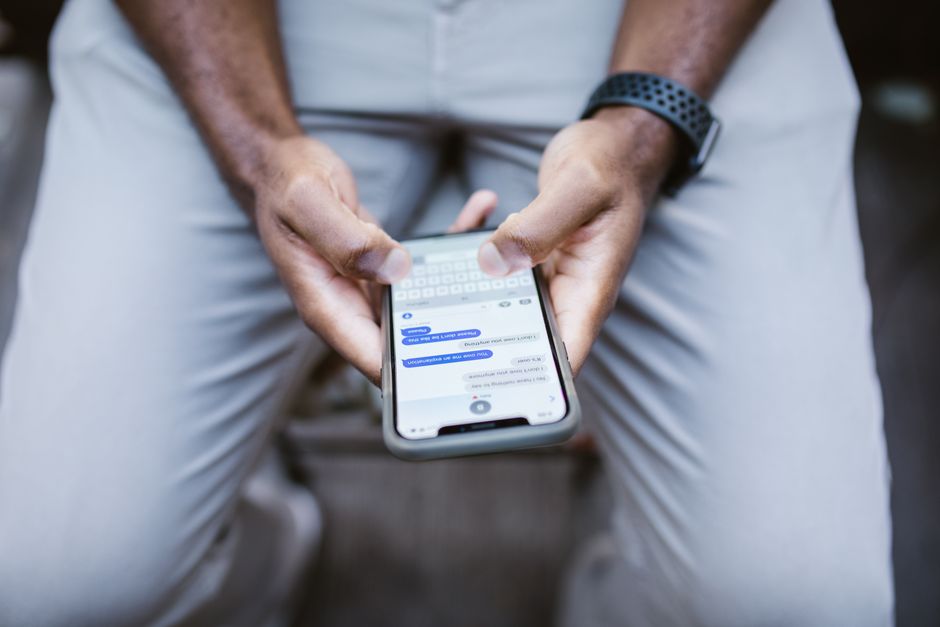
Texting thumb usually refers to pain or irritation caused by repeated thumb movements, gripping, swiping, or holding a phone in an awkward position. In Van Buren, NY, the problem may become more noticeable during long indoor stretches in winter, extended driving, household projects, or frequent phone use for work, school, and family communication.
The discomfort often improves when the thumb and wrist are given time to recover. However, persistent or severe symptoms should be evaluated because thumb pain can also result from arthritis, a sprain, nerve irritation, or another condition unrelated to texting.
What does texting thumb feel like?
Texting thumb commonly causes aching, tenderness, or sharp pain on the thumb side of the wrist. Some people notice symptoms at the base of the thumb or along the lower forearm.
Common signs include:
- Pain while texting, scrolling, typing, opening jars, or turning a doorknob
- Tenderness near the wrist below the thumb
- Mild swelling or a feeling of tightness
- Pain when making a fist or gripping an object
- Weakness when pinching or holding a phone
- Clicking, stiffness, or reduced thumb movement
A frequent cause is irritation of the tendons that help move the thumb. This condition is often called de Quervain’s tenosynovitis. Texting does not cause every case, but repeated thumb motion can contribute to it.
Why can phone use irritate the thumb?
The thumb is small but performs precise, repetitive movements. Rapid swiping, typing with one thumb, and pressing firmly against a screen can place repeated stress on the tendons and the joint at the base of the thumb.
The way a phone is held also matters. Holding the device in one hand while bending the wrist or keeping the thumb stretched away from the palm may increase strain. Long, uninterrupted sessions are generally more irritating than brief periods separated by rest.
Other activities can add to the same problem. Typing, gaming, knitting, lifting children, using hand tools, shoveling, cooking, and carrying grocery bags may all increase the total workload on the thumb and wrist.
What can be done at home during the first few days?
The first step is to reduce the movements that reproduce the pain without completely immobilizing the hand. Rest does not necessarily mean avoiding all hand use. It means changing the activity enough to allow irritated tissues to settle.
Try these measures:
- Reduce texting, scrolling, gaming, and other thumb-intensive activities for several days.
- Use both hands to hold a phone, or place it on a stable surface while typing.
- Use voice-to-text for longer messages when practical.
- Apply a cold pack wrapped in a towel for up to 15–20 minutes at a time, with several hours between applications.
- Avoid forceful gripping, heavy lifting, and repeated pinching while the thumb is painful.
- Keep the fingers and wrist moving gently within a comfortable range.
- Consider a thumb-supporting splint, particularly during sleep or activities that trigger symptoms.
A splint should not be painfully tight, and the fingers should remain warm and normally colored. If numbness, tingling, increased swelling, or discoloration develops, remove it and seek medical guidance.
Over-the-counter pain medicines may help some adults, but they are not appropriate for everyone. Stomach ulcers, kidney disease, blood-thinning medication, pregnancy, allergies, and other health conditions can affect which medicines are safe. A pharmacist can help identify reasonable options.
How should texting habits be changed?
Small changes can reduce repeated stress on the thumb. The goal is to distribute the workload across both hands and avoid holding the wrist in a bent position.
Helpful adjustments include:
- Alternate hands instead of using the same thumb for every message.
- Keep the wrist mostly straight while using the phone.
- Hold the device with relaxed fingers rather than squeezing it.
- Take a brief movement break every 10–15 minutes during heavy use.
- Type with the index finger when the thumb is sore.
- Increase text size so less force and precision are needed.
- Use a stand, table, or other support for reading and video calls.
- Avoid carrying a phone for long periods with the thumb stretched around it.
During winter, cold temperatures can make stiff joints and tendons feel more uncomfortable. Keeping the hands warm and avoiding sudden, forceful gripping of cold objects may make routine activities easier.
Are stretches and exercises safe?
Gentle motion is usually preferable to repeatedly testing a painful thumb. Exercises should be slow and comfortable, not forceful.
One simple movement is to open the hand gradually, spread the fingers gently, and then relax. Another is to touch the thumb lightly to each fingertip without pressing hard. These movements can help maintain comfortable range of motion.
Do not aggressively stretch the thumb across the palm or continue an exercise that increases sharp pain, swelling, or symptoms that last for hours afterward. Strengthening exercises are usually more appropriate after the acute soreness has improved.
A chiropractor may assess movement in the hand, wrist, elbow, and upper body when appropriate, but thumb pain still requires careful consideration of tendon, joint, nerve, and injury-related causes. Chiropractic care should not replace medical evaluation when symptoms suggest a fracture, significant inflammation, infection, or nerve involvement.
When should thumb pain be evaluated?
Arrange a medical evaluation if pain is worsening, keeps returning, interferes with normal activities, or has not improved after about two weeks of reasonable self-care. Evaluation is also appropriate for persistent numbness, tingling, loss of grip strength, or pain that travels into the forearm.
Prompt assessment is needed after a fall, direct blow, or sudden injury, especially if there was a popping sound, major swelling, bruising, deformity, or inability to move the thumb.
Seek urgent care for a thumb that has changed color or shape, severe pain, complete loss of sensation, or inability to hold objects. These symptoms may indicate a fracture, dislocation, or more serious injury rather than simple overuse.
Could it be arthritis or something other than texting thumb?
Yes. Pain at the base of the thumb can be related to arthritis, particularly when it occurs with gripping, twisting, or opening containers. Numbness and tingling may point toward nerve irritation, while clicking or locking can involve a different tendon problem.
A diagnosis should not be based only on the fact that a phone is used frequently. The location of pain, how it started, what movements aggravate it, and whether there was an injury all matter. Keeping a brief record of activities and symptoms can help clarify patterns and guide appropriate care.
Reducing repetitive thumb use, improving phone-handling habits, and responding early to pain can often prevent a minor irritation from becoming a longer-lasting hand problem.
