
 See Our Latest Article on HelloNation
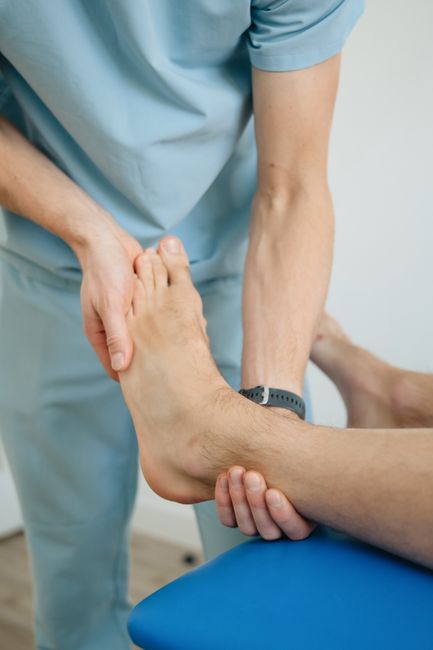
Residents of Van Buren, NY may hear the term “Graston Technique” when asking about chiropractic care, sports injuries, muscle tightness, or lingering pain after an injury. The technique is a form of instrument-assisted soft-tissue mobilization, commonly abbreviated as IASTM.
It uses smooth, handheld instruments to apply controlled pressure and gliding movements over muscles, tendons, fascia, and areas affected by scar tissue. It is generally used as one part of a broader care plan rather than as a stand-alone treatment.
What is the Graston Technique?
The Graston Technique is a hands-on soft-tissue method performed with specially shaped instruments. The tools are not surgical blades; their edges are rounded and designed to help a practitioner assess and treat areas of restricted movement or tenderness.
During treatment, the instrument may be moved along the length of a muscle or tendon, across a specific area, or around a region affected by an old injury. The goal is typically to influence soft-tissue mobility, reduce sensitivity, and support movement.
The technique is often discussed in relation to:
- Muscle strains and recurring tightness
- Tendon irritation, such as tennis elbow or Achilles tendon problems
- Scar tissue after surgery or trauma
- Reduced range of motion
- Plantar heel pain
- Shoulder, knee, hip, wrist, or forearm discomfort
- Soft-tissue restrictions that affect normal movement
The presence of a painful or tight area does not automatically mean that scar tissue is the cause. A careful examination is needed before deciding whether instrument-assisted treatment is appropriate.
How does treatment usually feel?
Most people describe the sensation as firm pressure, scraping, or a focused massage. Treatment should not feel like cutting or piercing the skin. Mild tenderness during or after the session is possible, especially if the area is already sensitive.
Temporary skin discoloration, known as petechiae or bruising, can occur. This may appear as small red or purple marks and usually fades over several days. More bruising is not necessarily evidence of a more effective treatment.
A person should tell the practitioner if the pressure feels sharp, excessively painful, numb, burning, or otherwise unusual. Discomfort should be monitored rather than ignored.
What happens during a session?
A session commonly begins with questions about symptoms, previous injuries, medications, activity level, and relevant health conditions. The area may then be examined for tenderness, swelling, strength, flexibility, and movement limitations.
The skin is usually treated with a small amount of lubricant so the instrument can glide without pulling excessively. The practitioner may use the tool for a short period, reassess movement or tenderness, and then combine the technique with stretching, strengthening, joint mobility work, or other manual care.
Afterward, guidance may include gentle movement, hydration, temporary activity adjustments, or exercises. The most useful part of treatment may not be the instrument itself but the way it is combined with progressive rehabilitation.
Does it break up scar tissue?
“Breaking up scar tissue” is a common explanation, but it can oversimplify what is happening. Scar tissue is not usually a solid lump that can simply be scraped away. Soft tissue responds to pressure, movement, loading, and the nervous system in complex ways.
Instrument-assisted treatment may temporarily change how an area feels or moves. It may also help a person tolerate movement or exercise more comfortably. However, claims that the technique physically removes adhesions, permanently increases circulation, or repairs damaged tissue should be viewed cautiously.
Research on IASTM has produced mixed findings. Some studies report short-term changes in range of motion or pain, while broader reviews have found limited or low-certainty evidence for lasting improvements. Results can vary based on the condition, treatment method, exercise program, and length of follow-up.
Can it help with back or neck pain?
It may be used on muscles surrounding the back, neck, or shoulders when a soft-tissue component is suspected. However, it does not diagnose or correct every cause of spinal pain.
Back and neck symptoms may involve joints, nerves, discs, muscles, posture, work demands, sleep habits, or a combination of factors. Pain accompanied by weakness, progressive numbness, loss of coordination, fever, unexplained weight loss, serious trauma, or changes in bladder or bowel control requires prompt medical evaluation rather than routine soft-tissue treatment.
For ordinary muscle soreness after shoveling, home repairs, seasonal yard work, or increased activity, gradual movement and appropriate strengthening are often more important for lasting improvement than any single passive technique.
Who should avoid or postpone treatment?
Instrument-assisted soft-tissue treatment may not be appropriate over an open wound, active skin infection, unstable fracture, acute severe swelling, or a fresh hematoma. Caution is also needed for people with bleeding disorders, reduced sensation, significant osteoporosis, uncontrolled high blood pressure, certain vascular conditions, active cancer in the treatment area, or medications that increase bleeding risk.
Pregnancy, recent surgery, rheumatoid arthritis, lymphedema, and other medical conditions may require modified treatment or clearance from the relevant healthcare provider.
A complete health history matters. People should disclose blood-thinning medication, steroid use, recent surgery, unusual bruising, circulation problems, and any history of blood clots. Treatment should not be applied over a suspected clot or unexplained swelling.
Is it better than massage or exercise?
Not necessarily. The instruments provide a different way to apply pressure, but they do not automatically make treatment more effective than skilled hands-on care.
For many musculoskeletal problems, the central elements of recovery are:
- Gradual return to normal activity
- Strengthening the affected area
- Improving flexibility or joint control when needed
- Modifying repetitive or aggravating tasks
- Adequate sleep and recovery
- Addressing work, recreation, or household demands
In some cases, instrument-assisted care may make movement more comfortable enough to participate in exercise. That can be useful, but the technique should support functional progress rather than replace it.
What questions should residents ask before trying it?
Useful questions include:
- What condition or movement problem is being treated?
- What findings suggest this technique may help?
- What alternatives are available?
- Will treatment be combined with exercises or activity guidance?
- What bruising or soreness should be expected?
- Which medications or health conditions could make it unsafe?
- How will progress be measured?
- What is the plan if symptoms do not improve?
A reasonable care plan should explain the purpose of treatment in plain language and include a way to reassess whether it is helping. Persistent, worsening, or unexplained symptoms should not be attributed to “tightness” without further evaluation.
Graston Technique can be a reasonable soft-tissue tool for selected musculoskeletal complaints, but it is not a cure-all and does not have equally strong evidence for every condition. Its value depends on appropriate screening, careful application, realistic expectations, and connection to active rehabilitation.
